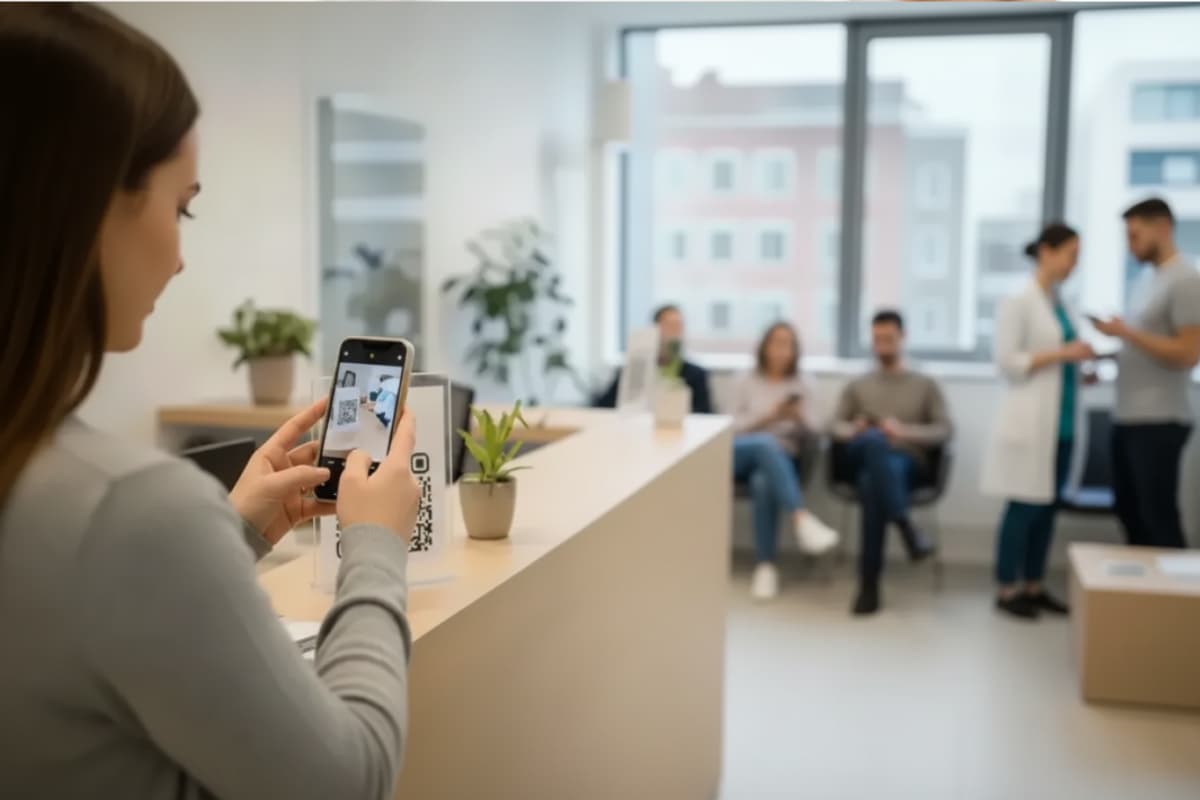

What is a digital anamnesis?
A digital medical history replaces the handwritten medical history sheet with a digital form that patients fill out before the appointment or directly in the practice. However, this does not mean a simple PDF, but a digital process that can be cleanly integrated into everyday practice.
Benefits of digital anamnesis for dentists
The benefits of digital anamnesis are not reflected in individual functions, but in the daily routine of the dental practice. It applies equally to recording, documentation and communication.
The biggest benefits:
- less time spent on patient admission
- no illegible or incomplete medical history sheets
- Changes can be entered without a new sheet of paper
- reduced administrative workload for the team
- structured and comprehensible documentation
For dentists, this means above all more peace of mind during the process and a better basis for patient consultation.
This is how the digital anamnesis at the dentist works
The digital anamnesis process follows a clear principle:
1. Before the appointment

Patients receive a digital medical history sheet before the appointment, usually by e-mail or via a link. You can fill out the information from home and save it temporarily if necessary.
Pre-existing conditions, medications or risk factors are recorded in full, without time pressure and without problems deciphering an illegible handwriting.
In practice, this means: The appointment no longer starts with paperwork, but with available information.
2. In practice

If patients have not completed the form in advance, the anamnesis is carried out digitally directly in the practice, for example via a link or a device provided.
Filling out completely replaces the sheet of paper. Printing, retyping or inquiring due to illegible information is omitted. Changes or additions can be made immediately, for example in the case of new medications or pre-existing conditions.
The team works with up-to-date data and doesn't have to manage sheets of paper.
3. After the appointment
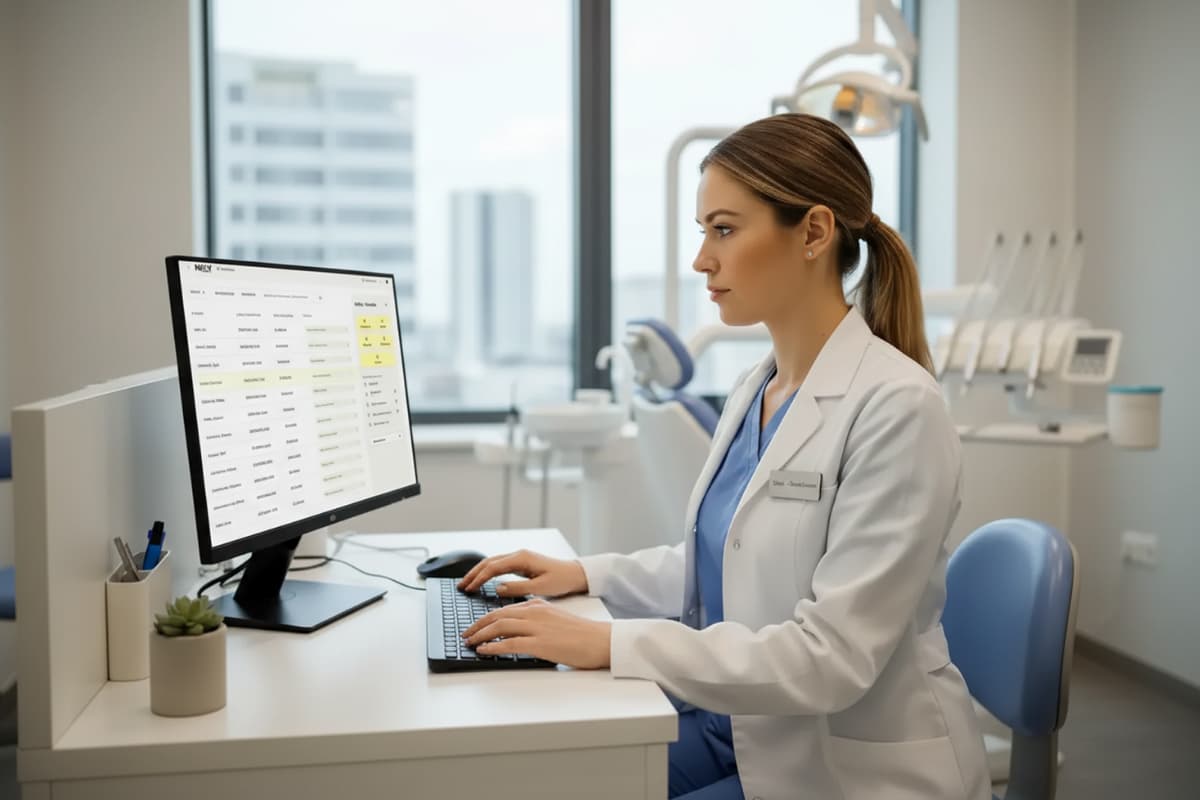
The information remains available digitally and can be updated at subsequent appointments. Patients do not have to fill out their data every time, but simply confirm or adjust what has changed. This creates a continuous, up-to-date anamnesis without additional administrative costs.
What dental practices should consider when introducing a digital anamnesis
The introduction of a digital anamnesis is usually implemented quickly from a technical point of view. It is crucial that it fits into everyday practice and remains legally clean.
Dental practices should pay attention to:
- The solution must be GDPR-compliant and securely process patient data
- The digital anamnesis should be included in the existing practice management system be integrated or connect to it cleanly
- Patients should be able to fill out their anamnesis digitally voluntarily
- The process should be easy for the team and patients to understand
- Changes to health data must be possible at any time
The more clearly the process is defined, the faster the digital anamnesis is accepted and used in everyday life.
Practical example from a dental practice: Digital anamnesis with Nelly
The dental practice Drehbahn 7 In Hamburg, when it was founded in 2024, it made a conscious decision to use digital processes. A central component of this is the digital anamnesis with Nelly.
New patients fill out their medical history sheets digitally before the first appointment. In practice, all information is complete and up-to-date, without paper and without reworking the application.
In addition, the practice also focuses on education, document management and reckoning on digital processes. In this way, patient admission and administration are intertwined, without media breaks or additional work steps.
The result is a quieter daily practice and more time for the actual treatment.
Read the full practical report: Starting a practice with Nelly — Drehbahn 7 sets digital standards.
Implement digital anamnesis in dental practice
With Nelly, the anamnesis can be fully digitally integrated into the practice process. Patients enter their information themselves before the appointment or in practice, without an app and without additional effort. Consent and documents can also be processed digitally and in a legally secure manner.
The digital anamnesis is often the first step. On request, other processes such as patient admission, education or document management can also be digitally mapped and combined with each other.
We would be happy to show you how digital anamnesis and other processes can be effectively implemented in your dental practice.