
The biggest stress factors for dentists in everyday practice
Stress in dental practices is rarely caused by a single trigger. It is usually the sum of treatment pressure, organizational effort and constant interruptions in ongoing operations. That is exactly what makes everyday practice so stressful for many dentists.
The biggest stress factors include in particular:
- a tightly-timed schedule
- short term outages
- high documentation costs
- Staff shortages
- demanding patient interviews
In addition, there is the dual role of many practice owners: They treat patients and at the same time have responsibility for the team, organization and economic decisions.
Stress management for dentists: 7 strategies in everyday practice
1. Make scheduling realistic
One of the biggest sources of stress in dental practices is a schedule that is too tight. Even minor delays, for example due to late patients or additional findings during treatment, can disrupt the entire daily routine.
Realistic scheduling helps to reduce this pressure. More complex treatments should be planned with sufficient time.
In addition, short buffers of around 5 to 10 minutes between appointments, depending on requirements, can help compensate for delays. As a result, the practice process remains more stable and the stress for the team and the practitioner is noticeably reduced.
Conclusion: Structured scheduling not only reduces stress in everyday practice, but also ensures a smoother process for the team and patients.
2. Reduce no-shows and secure appointments
No-Shows are not always such a rare nuisance. If patients do not show up without cancellation, there are suddenly gaps in the schedule.
At the same time, staff, treatment rooms and planned time remain unused. This can quickly create additional stress, especially if the daily routine is closely organized anyway.
In order to reduce risk, practices should rely on clear scheduling processes. These include, for example, automatic appointment reminders via SMS or email as well as easy ways to rebook or cancel appointments in good time.
If patients are able to react early, appointments that become available can often be rescheduled at short notice.
Reading tip: Reduce no-shows in orthodontics
Conclusion: A structured approach to appointments therefore not only helps to reduce outages, but also ensures greater planning security in everyday practice.
3. Delegate tasks in the practice team better
Many dentists still take on tasks in everyday practice that could also be carried out by the practice team.
This includes organizational activities, documentation or administrative processes. If the dentist takes care of too many of these tasks himself, additional time pressure quickly occurs.
A clear distribution of tasks within the team can noticeably relieve the burden here. Activities such as preparation of treatments, documentation or organizational processes can often be divided up efficiently within a team. This gives the dentist more time to actually treat the patients.
Conclusion: A good delegation not only reduces stress in everyday life, but also ensures clearer processes and better cooperation within the practice team.

4. Use digital practice processes
Digital processes can significantly reduce the workload of dentists in everyday practice. Many organizational tasks can now be automated or digitally mapped, so that less time is lost for paperwork, inquiries or administrative processes.
Typical examples of digital practice processes include:
- Digital anamnesis: Patients can fill out their information online before the appointment.
- electronic documents and signatures: Consent forms or clarification forms can be signed digitally.
- Digital education: Patients can receive and sign educational forms and treatment information digitally before the appointment.
- Automated patient communication: Reminders or follow-ups can be sent via SMS.
- Digital invoices and payment: Invoices can be delivered online and paid directly.
- Digital factoring for dentists: Payment processing, credit checks and receivables management can be outsourced, which reduces administrative costs.
- AI-powered practice support: Modern AI solutions can help with documentation or billing. Die Nelly KI helps, for example, to create treatment documentation automatically and simplify administrative processes.
What such digital processes can look like in everyday practice is shown by Case study by Nelly with the Drehbahn 7 dental practice in Hamburg.
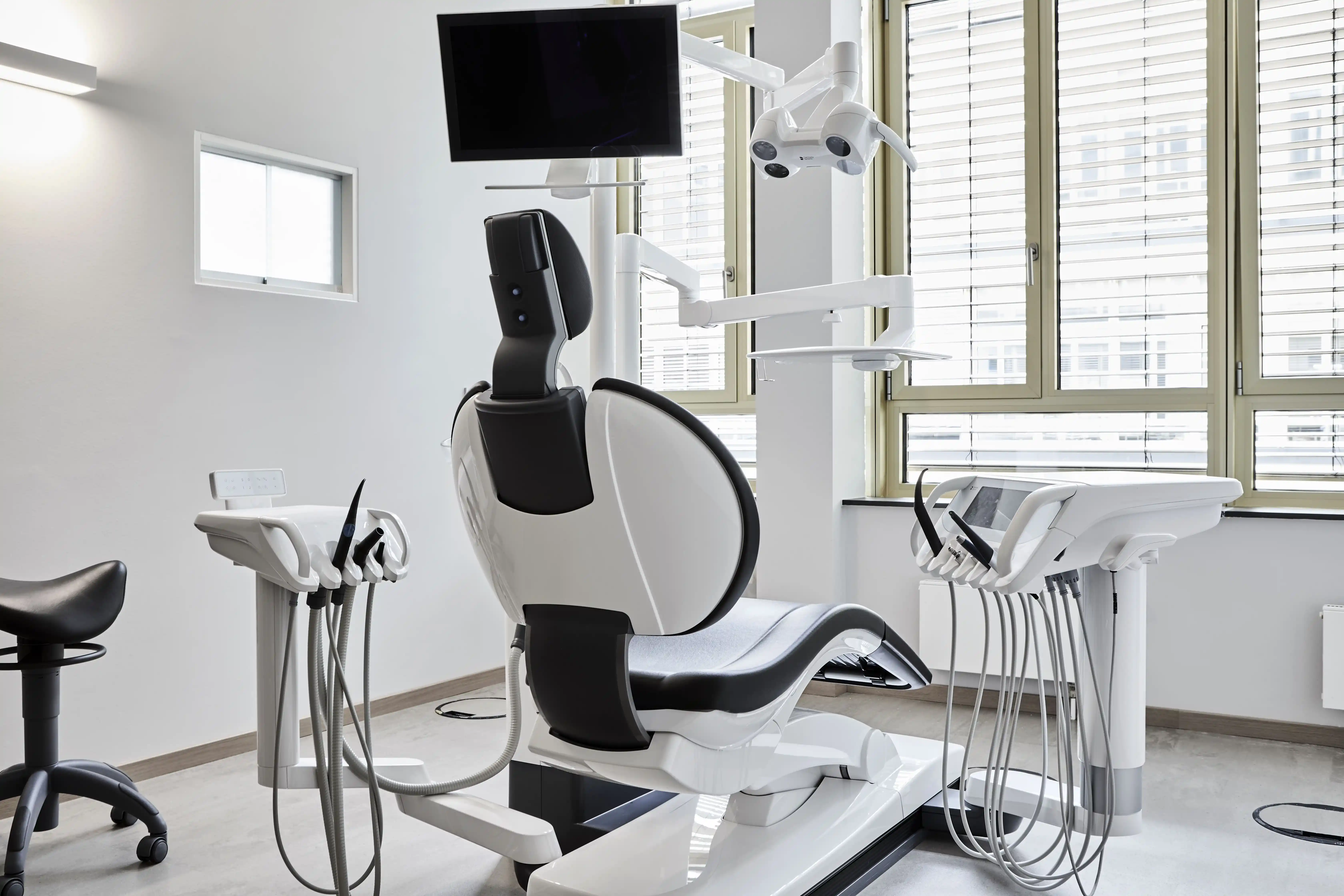
There, the team processes around 20 to 25 new patients, without creating queues at reception.
Thanks to digital patient admission and document management, many organizational steps are already completed before patients enter the practice.
If you want to relieve your practice from an organizational point of view, Nelly will be happy to advise you without obligationwhich digital solutions can be useful for you.
5. Establish standardized practice processes
Structured processes help to reduce stress in everyday practice. If recurring processes always run the same way, there are fewer queries and interruptions in treatment operations.
Many practices therefore work with fixed routines and checklists. For example when preparing treatments, dealing with new patients or during reception procedures.
Conclusion: Standardised processes in dental practices ensure that tasks are completed faster, mistakes occur less frequently and the team can concentrate more on treating patients.
6. Improve communication with patients
Clear communication with patients can help reduce stress in everyday practice. Misunderstandings regarding appointments, treatment procedures or costs often lead to inquiries and additional organizational effort.
It is therefore useful to provide important information early and in an understandable way. This includes, for example, information on appointments, information on the course of treatment or transparent information about costs and treatment plans.
conclusion: When patients are well informed, there are fewer uncertainties and questions. This relieves the practice team and at the same time creates a quieter atmosphere in everyday practice.
7. Personal stress management in everyday life
In addition to organizational improvements, personal handling of stress also plays an important role. Everyday practice cannot be completely controlled.
Unexpected situations, time pressure or difficult treatments are part of the job description. It is therefore all the more important to develop strategies to better deal with such burdens.
Typical approaches for dealing with stress in everyday practice include:
- Conscious short breaks: Even a few minutes between treatments can help you to collect yourself briefly.
- Clear priorities in the daily routine: Not every task is equally urgent. Clear prioritization reduces time pressure.
- Regular exercise: Exercising or doing short periods of exercise after work helps to reduce stress.
- Mental balance strategies: Techniques such as breathing exercises, meditation or consciously switching off after work can help to reduce stress in the long term.
- Fixed sleep and evening routines: Regular sleep times and a quiet evening routine can improve recovery. This includes turning off screens about an hour before bed.
Summary: Less stress through better practice organization
Many stress factors in everyday practice do not arise from the treatment itself, but from organizational processes.
Scheduling, documentation, patient communication, or billing can quickly create additional pressure if processes are not clearly structured.
Good organization and digital support can significantly relieve the burden here. When administrative tasks run more efficiently, there is more time for actual treatment and for a quieter everyday practice.
Nelly helps dental practices digitize administrative processes and make practice processes more efficient.
If you want to relieve your practice from an organizational point of view, Can you find out more without obligationwhich digital solutions can be useful for your practice.
Common questions
Why do dentists have a lot of stress in their everyday practice?
The profession of dentist combines medical responsibility with organizational tasks. In addition to treating patients, many dentists must also take on practice management, personnel management and economic decisions. This combination of treatment pressure, time management and organizational responsibility often leads to high levels of stress in everyday practice.
What are typical stress factors in a dental practice?
The most common stress factors in a dental practice include a tight schedule, short-term missed appointments, a high level of documentation and organizational tasks in practice. Staff shortages, demanding patient interviews or unexpected treatment courses can also create additional pressure in everyday practice.
How can dentists reduce stress in everyday practice?
Stress in dentists' everyday practice can be reduced primarily through better organization and clear processes. This includes realistic scheduling, clear division of tasks within the team and structured practical processes. Digital processes can also help to simplify administrative tasks and make everyday practice more efficient.
What role does practice organization play in stress management?
Good practice organization is an important factor for a less stressful working day. Clear responsibilities, structured processes and transparent communication within the team help to avoid unnecessary interruptions and misunderstandings. This makes practice operations more predictable and allows the team to concentrate more on treatment.
Can digital tools relieve dentists in their day-to-day practice?
Digital solutions can simplify many organizational tasks for dentists. These include, for example, digital medical history sheets, electronic documents and automated patient communication. Such tools reduce paperwork, save time in administrative processes and ensure a more structured everyday practice.